12/26/2006

12/21/2006
Good Morning

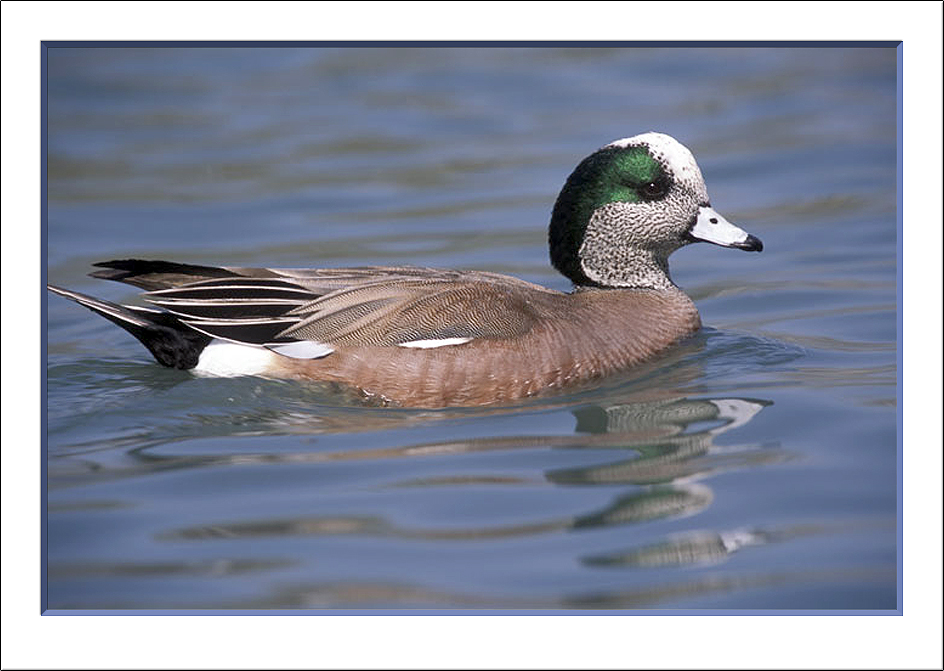
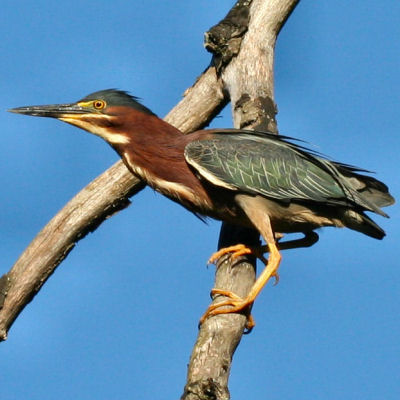
Here they come, our neighbors. Wood ducks, cormorants, mallards, herons, and barrow's mergansers are sleepy, half-pronounced syllables uttered with black ink. The sun brandishes what she has in her candy bag of light, and the sky tastes of ruby, melon, calypso orange, and pearl. Come out, come out! she shouts. Colors, schedules, layouts, and noise beckon our bodies from the susurrus dark. Our voices rise from the bed. The mallards on the dock quack hungrily. Cormorants dive deep. There is no going back now. Day is here and night has starved us for it, all over again.
12/14/2006
Drifting Away on Portage Bay


For heaven's sake my entries have been serious lately. Unfortunately, Lung Cancer isn't anything but serious; however, a houseboat's unmooring does not have to be taken as so. Yes, the other day, the same day I arrived home from my train journey home to Seattle from my visit home to my mama (with the flu), I went out for an errand, and when I returned I noticed that the house's position was all askew. In the windstorm (a record-breaking, history-making windstorm is due this evening, just a few hours from now) several of the ropes that tie our house to the dock were lashed putting us at risk of floating away. It might have been romantic had we run with it and voyaged all the way out to the sound. I would have liked to float beside the whales and the hundred herons I saw from the train. I would have liked to watch them from the couch, wrapped in a blanket sipping from a cuppa hot tea. But I'm glad we're here now, across from the university that I will kayak to in the spring, when the rain stops, although I realize that there is a growing possibility that it will not ever stop. I guess that fantasy of being inside your house while simultaneously being in the middle of the ocean is what spawned the creation of yachts and cruises and I hate those. Anyway, here are some photos of the diver who came to readjust the floats beneath us. I am sorry now that I did not take a picture of the house when it was loose. I admit that at the time I was a bit miffed.
12/13/2006
The Little Red Light House
My panting breathlessness -- I had run up the street from the garage -- my tears, and my wet hair were all excused by death's imminence. Justine, the night nurse who spoke in Staten Island tongues, had called an hour earlier and told me to come in. We had turned off the ventilator and did not know how long she would breathe unassisted.
I rushed into her room, half-expecting her to greet me. It is funny how we refuse to let illness take over as the status quo. I rushed into her room ready to be life's liason to death. I rushed into her room like the superhero a mother's death transforms her daughter into. When she passed I would take her soul in my body and express her. Now my body would carry us.
Outside the picture window a bright and ready day burst forth. A crisp, black cargo vessel accompanied by a shiny, candy-red tug (an hour later an identical pair would pass; over the next two weeks I would see many of these pairs) slugged across the window. Of course, there was a blue sky making these pronouncements possible. And the bridge. The bridge was portrayed happily in tangy orange light.
But more eager than all the rest of the day's vivid images was the little red light house. The storied little red light house! If she only knew that we could see it from her room! The little red light house that had mythic proportions in our childhood. There was the great George Washington bridge whose crossing in to New York meant that we were entering our father's space, the place where he worked, and that signified a voyage back in time, to the place where our family is from. Our grandparents and our parents. Williamsburg and the Upper West Side. The bridge -- it was intrepid and grand and eloquent in its articulation of our family history, of the present's return to the past.
And then there was the lighthouse. The hlighthouse that our approach to the bridge, from either New York or New Jersey, never allowed us to see. This invisibility, its storied smallness, and the children's book about it that we treasured when we were young made my brother and I feel akin to it. It was a child, somehow, like us. Dwarfed by the importance and size of the George Washington, but sweet and small and real and bright, it blinked its own light, waiting in the way children do to grow old. Whenever we crossed the bridge we tried to find it, but I don't think I ever saw it whole and as clearly, as I did over those weeks from her hospital room.
Maybe you can guess already from the imagery that I've chosen to include in this vignette that this story has a happy ending. No, my mother did not die that day, as she was expected to. Justine went off her shift, and the day nurse came in and suctioned her lungs, and she began breathing again, beautifully. She she still is. She has even begun to respond. A week ago I saw her eyes brighten when a physical therapist helped her sit up in bed, for the first time in months, and told her to look out the window at the little red light house.
Slight Change in Appearance
I don't know how I arrived at this new color scheme. I played around with the template, randomly changing number and letter codes anyplace I saw them next to the word "color." I do like it. Much, much brighter.
Subscribe to:
Posts (Atom)